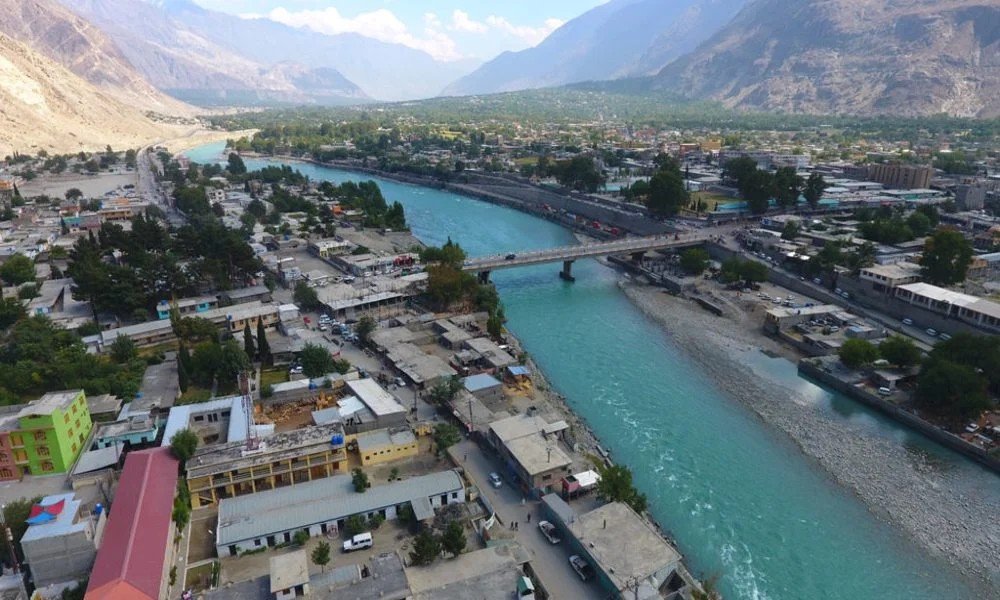
Gilgit
- Latitude:
35.92020000 - Longitude:
74.30800000 - Headquarter:
Gilgit - Area:
4208.00 sq km - Population:
324552 - Language:
Shina
History
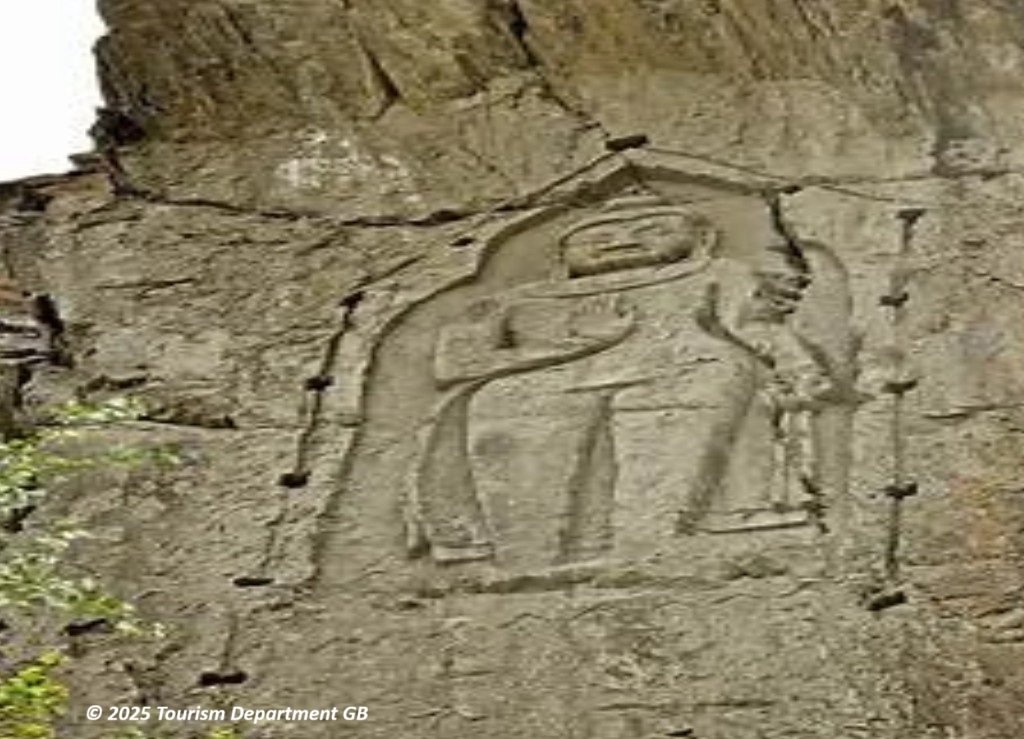
- Ancient Silk Road Hub (1st–7th Century AD): Known as a major trade route, the region was profoundly influenced by Buddhism. The Kargah Buddha, a 7th-century rock carving near Gilgit city, is a top attraction.
- Gilgit Manuscripts (5th–6th Century): Discovered in 1931, these ancient Buddhist texts on birch bark are considered a global archaeological treasure.
- Rock Art & Petroglyphs: Over 50,000 pieces of rock art and inscriptions exist along the Karakoram Highway (KKH), showcasing a history stretching back to 1000 BCE.
- Trakhan Dynasty (14th Century - 1810): The region was ruled by local Trakhan rajas, with legendary rulers like Queen Dadi Jawari developing irrigation systems.
- Dogra & British Era (19th–20th Century): The Dogra dynasty (Jammu & Kashmir) took control in the 1840s, followed by the British establishing the Gilgit Agency in 1877 as a strategic frontier post.
- Independence (1947): On November 1, 1947, the local Gilgit Scouts deposed the Dogra governor, ending colonial rule and joining Pakistan.
- Kargah Buddha: A cliff-carved Buddha statue from the 7th century, surrounded by Buddhist monastery ruins.
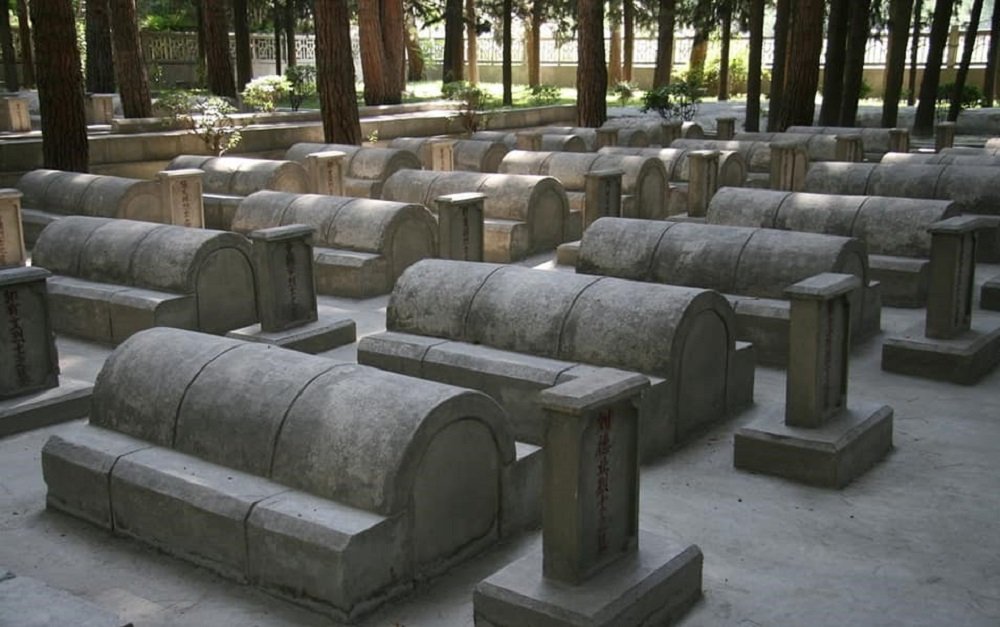
- Danyore Chinese Graveyard: Resting place for Chinese workers who died during the construction of the Karakoram Highway.
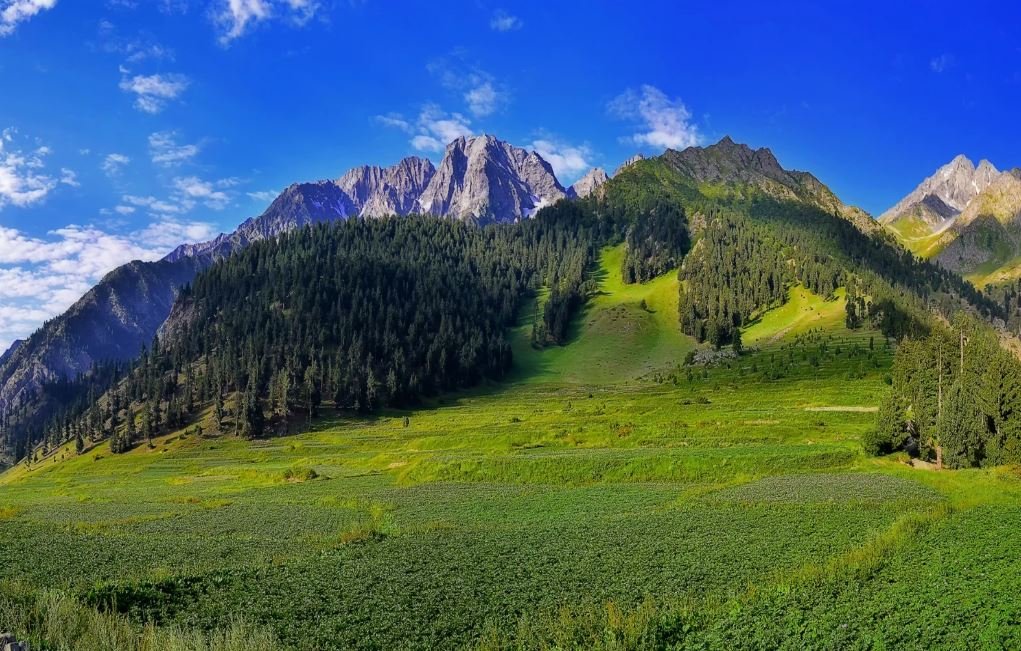
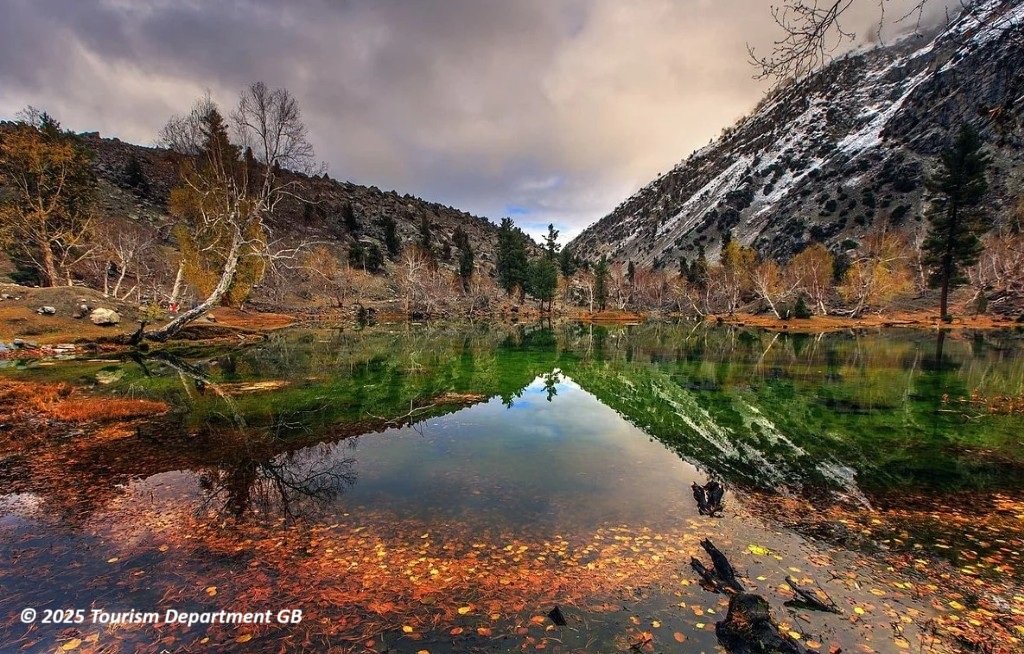
- Naltar Valley: Known for its alpine forests and skiing in winter, representing the natural beauty of the region.
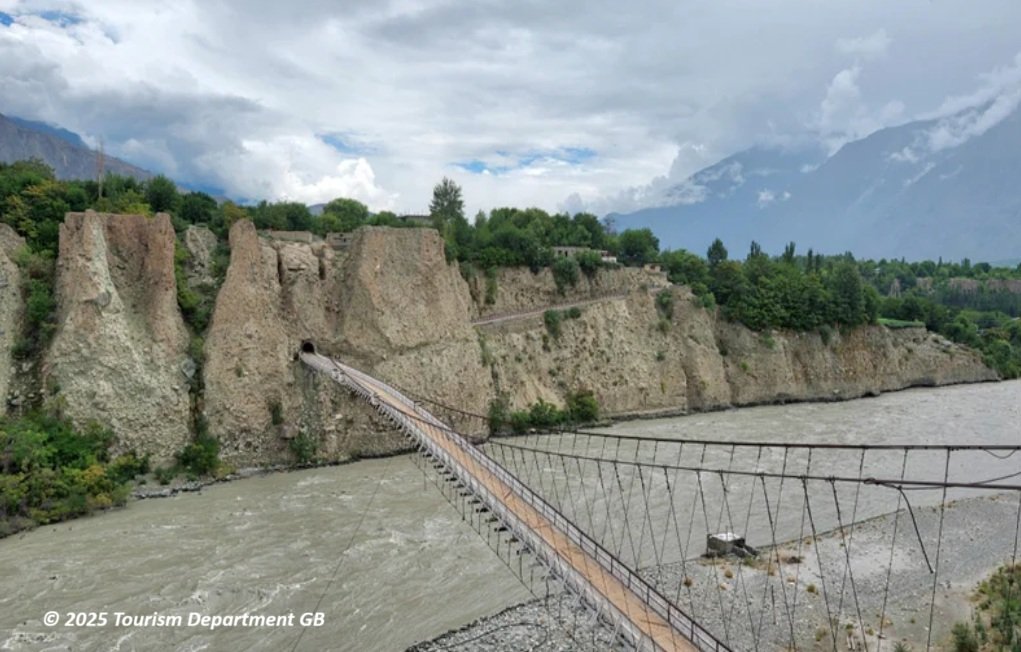
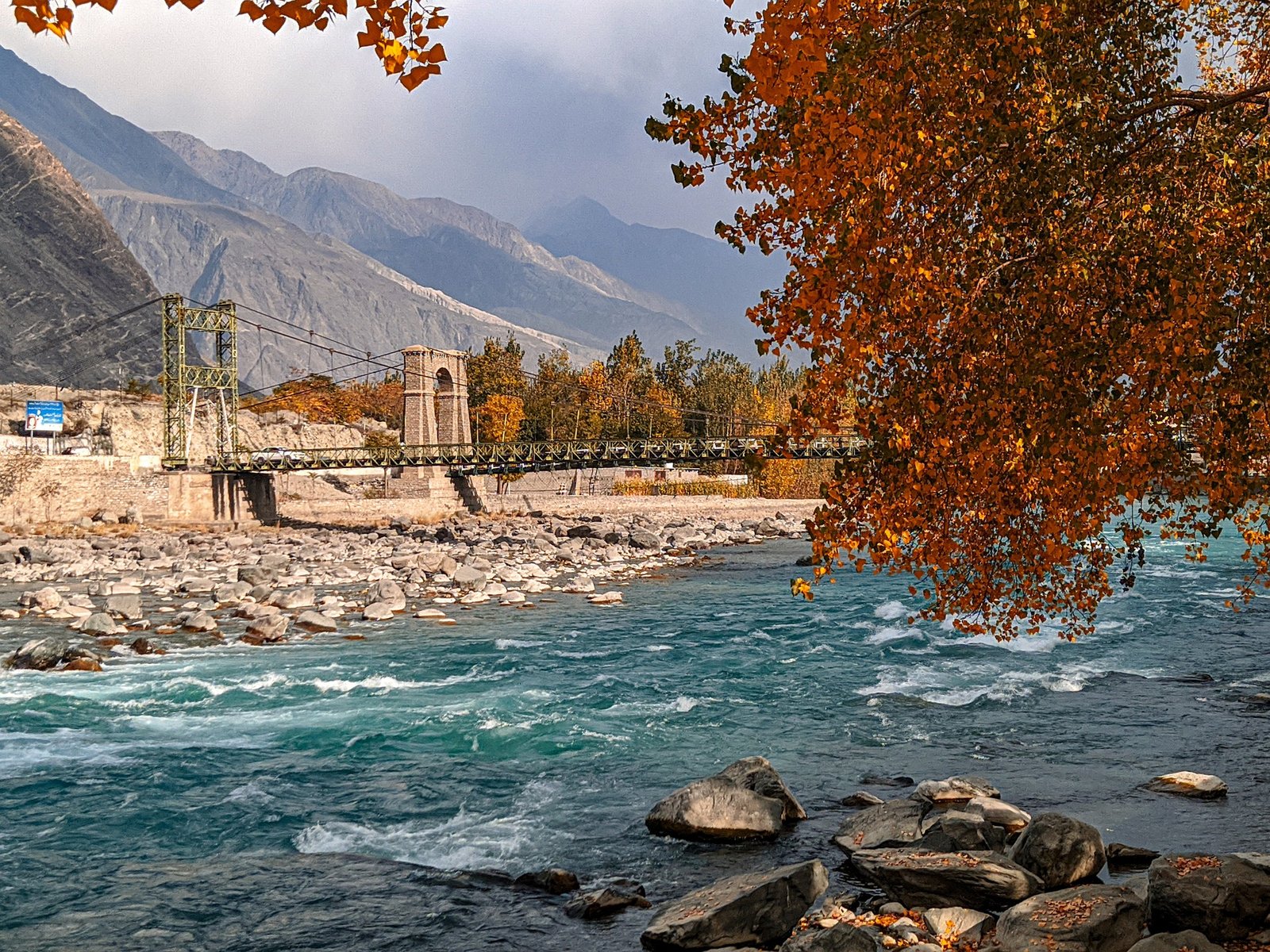
- Beranu Suspension Bridge: A remarkable piece of local engineering located in the Danyore valley.
Description
LAND OF DIVERSITY
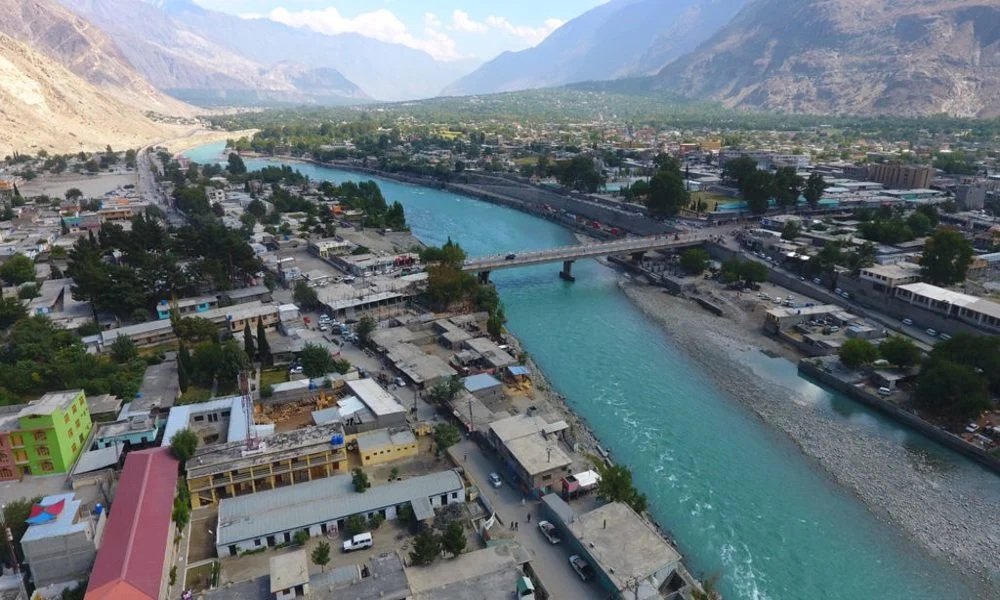
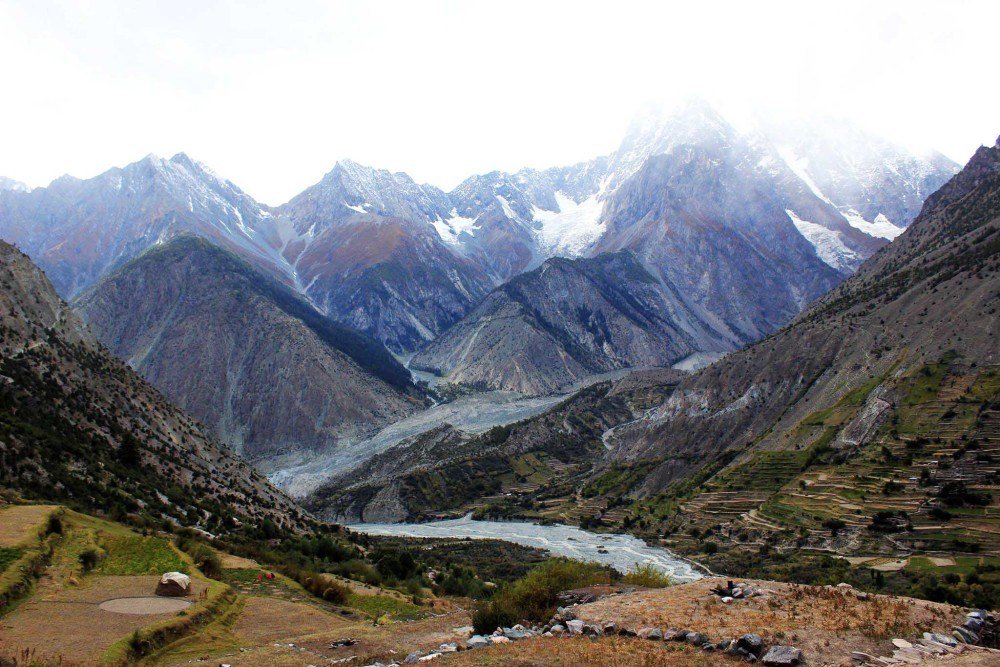
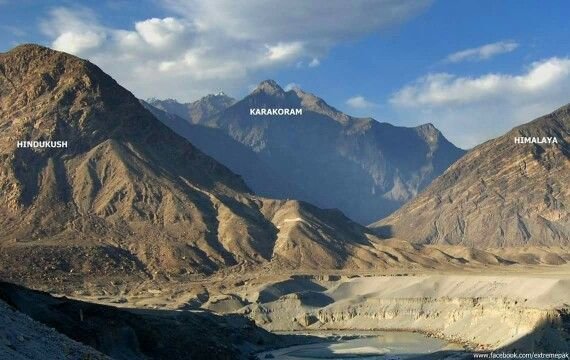
District Gilgit, capital of Gilgit-Baltistan, is strategically the most important territory in the Karakorum Range as it has been the trade center of the area for centuries. The historical Silk Route that promoted religious and cultural diversity to expand across borders adds to the significance of the district.
Languages:
Shina is the local language while English and Urdu are widely spoken.
Famous Tourist Spots:
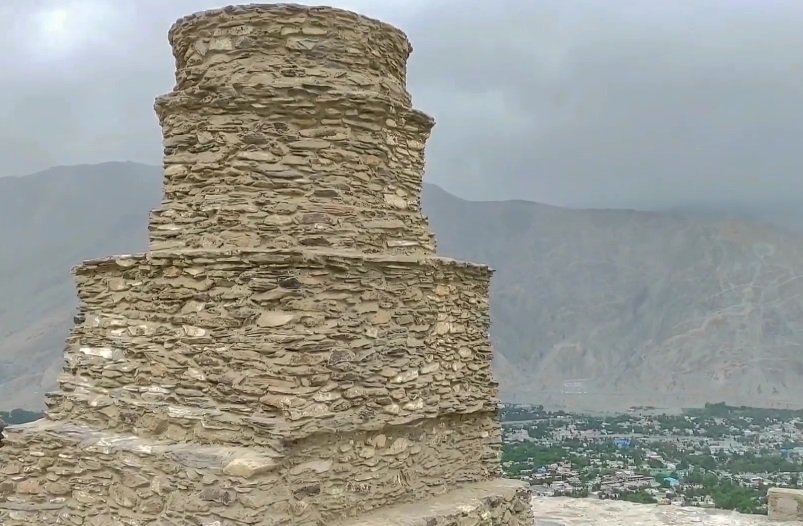
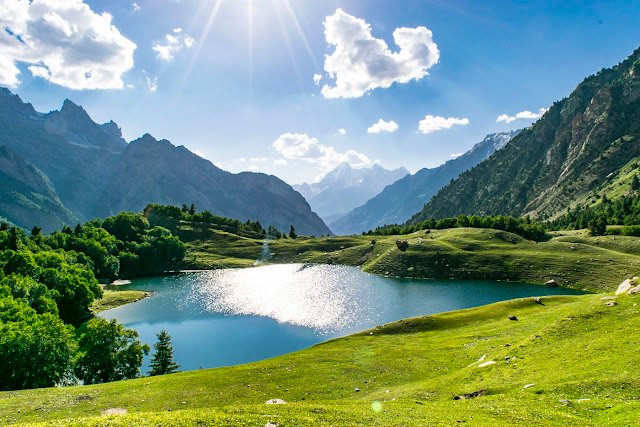
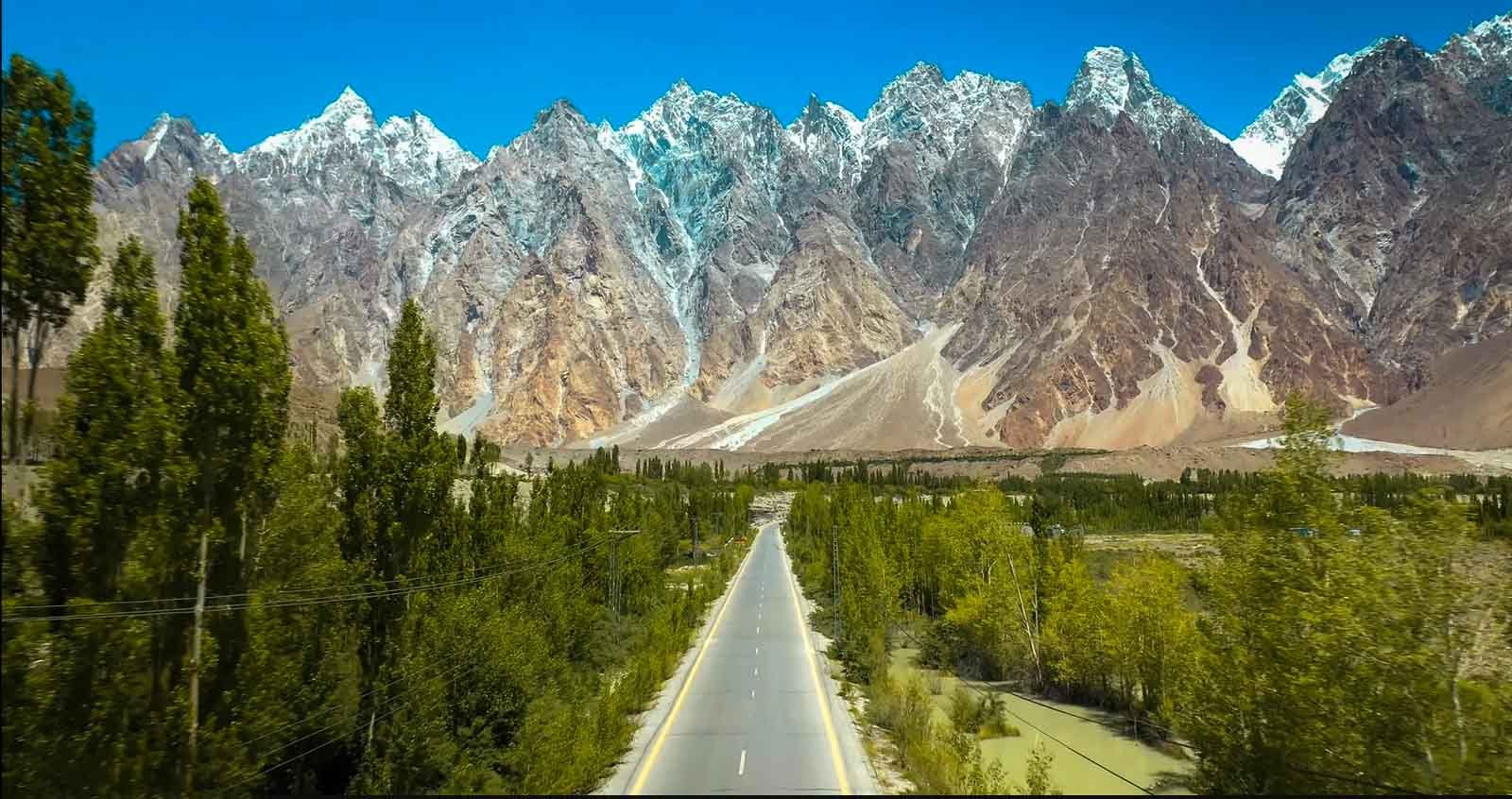
Naltar valley is a beautiful region of Alpine Forests with lush green landscape, mesmerizing flora, snow peaked mountains, milky glacial cover and rich diversity. Moreover, Kargah Valley offers an ancient site with a Buddha statue carved on a rock dating back to 4th - 7th Century A.D along with the ruins of Buddhist monastery and Hainzal Stuppa. Danyore Valley with its Beranu Suspension Bridge & Tunnel and Chinese Graveyard, Bagrot and Heramosh Valleys with their bewildering pastures, bewitching lakes and towering peaks capture touristic gaze.
Popular Activities:
During winters, Naltar Valley offers a lifetime experience of skiing. On the other hand Bagrote Valley is a perfect place for trekkers. Danyore Beranu Suspension Bridge, built by locals without any civil engineering equipment, is also site worth seeing.
Approach:
Gilgit can be accessed via Air & road. Direct flights from Islamabad to Gilgit is approximate 52 minutes to 1 hour duration are available from Islamabad for while Public Transport and private taxi via Karakoram Highway can take 10 to 12 hours. International airport at Skardu near Gilgit has also started operations for international visitors.
Top Tips:
Learn a few words of Shina the local language
- Hello : Assalam-o-Alaikum
- Goodbye : Khuda Yar
- Thank you: Ju Nu
- How much is it? Anu Kachak Kay Han