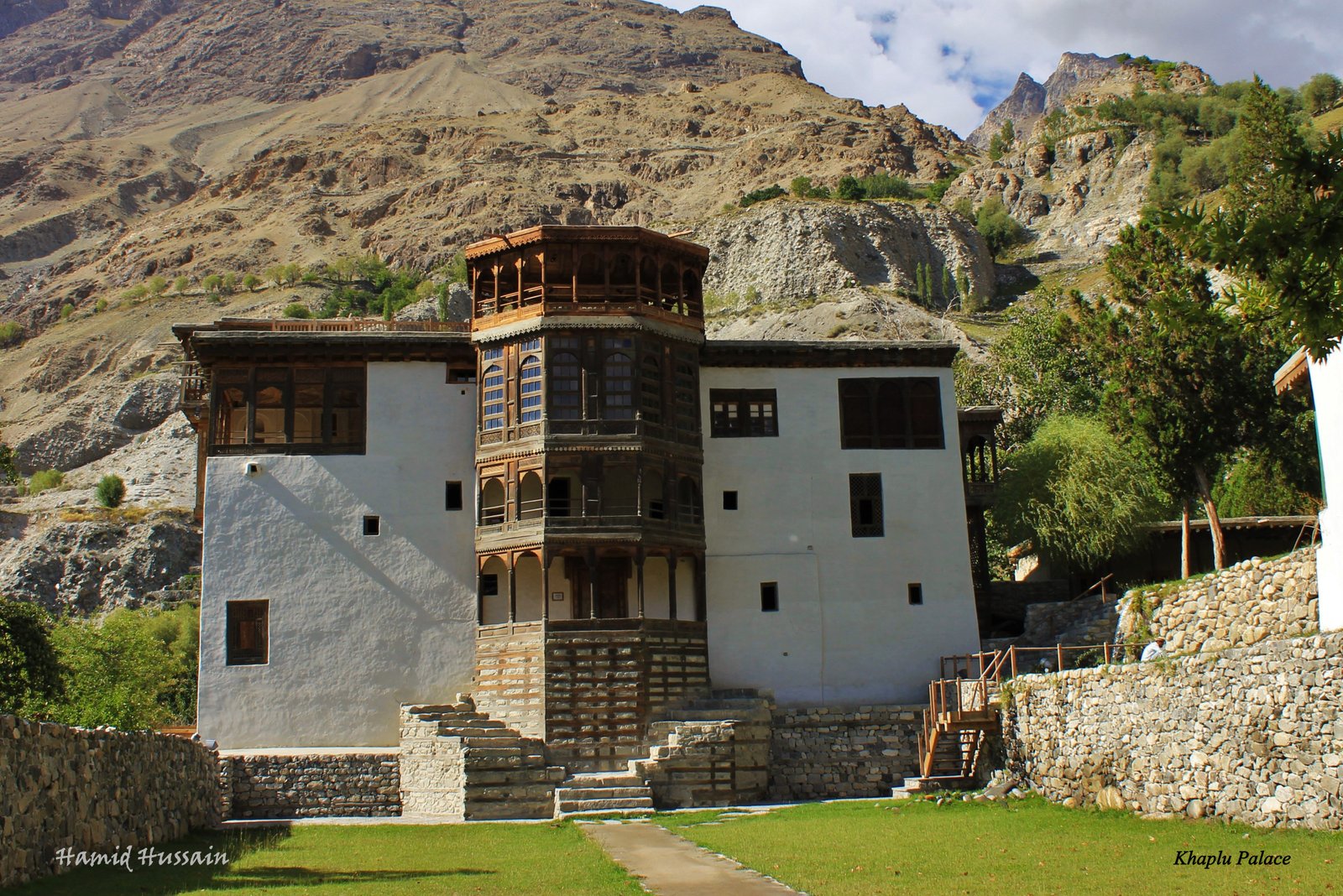
Khaplu Palace
Latitude: 35.15190262 Longitude: 76.33536283
Khaplu Palace – The Crown Jewel of
Baltistan
Located
in the scenic town of Khaplu, Khaplu Palace stands as one of the most iconic
historical landmarks in Gilgit-Baltistan. Surrounded by the majestic Karakoram
Mountains and overlooking the beautiful Khaplu Valley, this centuries-old
palace reflects the rich cultural heritage, royal history, and architectural
brilliance of Baltistan.
Often
referred to as the “Yabgo Khar,” Khaplu Palace is a symbol of timeless beauty
where history, tradition, and nature come together to create an unforgettable
experience for visitors from around the world.
Historical Background
Khaplu
Palace was built in the mid-19th century by the rulers of the Yabgo Dynasty,
who governed the region for centuries. The palace served as the royal residence
of the Raja of Khaplu and played an important role in the political and
cultural history of Baltistan.
Constructed
using traditional wood, mud, stone, and clay, the palace beautifully blends
Tibetan, Balti, Kashmiri, and Mughal architectural influences. Every corner of
the palace tells stories of the royal era and the region’s deep cultural roots.
Today,
Khaplu Palace has been carefully restored and preserved as a heritage site and
boutique hotel, attracting tourists, historians, photographers, and culture
enthusiasts alike.
Architectural Beauty
Khaplu
Palace is admired for its unique and intricate architecture. The structure
features:
- Handcrafted wooden balconies
- Traditional carved doors and
windows
- Decorative ceilings and pillars
- Stone pathways and courtyards
- Ancient royal chambers
- Panoramic mountain views
The
palace is built on elevated ground, allowing visitors to enjoy breathtaking
views of the surrounding valley, rivers, and snow-capped peaks.
Cultural Significance
Khaplu
Palace is more than just a historical building — it represents the cultural
identity of Baltistan. The palace preserves centuries-old traditions,
craftsmanship, and architectural styles that continue to inspire visitors
today.
Visitor Experience
Visiting
Khaplu Palace offers a peaceful and immersive cultural experience. Travelers
can walk through centuries-old corridors, enjoy traditional Balti hospitality,
and witness the beauty of heritage preservation in one of Pakistan’s most
scenic regions.
The
palace also features a heritage hotel where guests can stay overnight and
experience royal-style accommodation with modern comfort blended with
traditional aesthetics.
Popular
activities at Khaplu Palace include:
- Heritage tours
- Cultural photography
- Traditional food experiences
- Historical exploration
- Sunset viewing
- Local handicraft shopping
Best Time to Visit
The
best time to visit Khaplu Palace is between April and October when the weather
is pleasant and the valley is full of natural beauty.
- Spring: Cherry and apricot blossoms create colorful
surroundings.
- Summer: Ideal for sightseeing and cultural tourism.
- Autumn: Golden landscapes offer spectacular photography
opportunities.
How to Reach Khaplu Palace
Khaplu
Palace is located in Khaplu town, approximately 103 kilometers from Skardu. The
journey by road takes around 3 to 4 hours and passes through breathtaking
mountain scenery and traditional Balti villages.
Travelers
can reach Skardu via flights from Islamabad or through the Karakoram Highway
road route.
Why Visit Khaplu Palace?
Khaplu
Palace is one of the finest examples of Baltistan’s royal heritage and
architectural excellence. Its rich history, stunning craftsmanship, peaceful
atmosphere, and scenic surroundings make it a must-visit destination for anyone
exploring Gilgit-Baltistan.
Whether
you are passionate about history, culture, photography, or mountain tourism,
Khaplu Palace offers a truly memorable experience that captures the spirit of
Baltistan’s timeless beauty.
Inside the palace complex, tourists can explore historical artifacts, royal rooms, ancient kitchen areas, and beautifully restored halls that provide insight into the lifestyle of the former rulers of Khaplu.