Ganish Historical Settlement
Latitude: 36.31320000 Longitude: 74.66790000
Ganish Historical Settlement, Hunza – A Living Legacy of Ancient Hunza
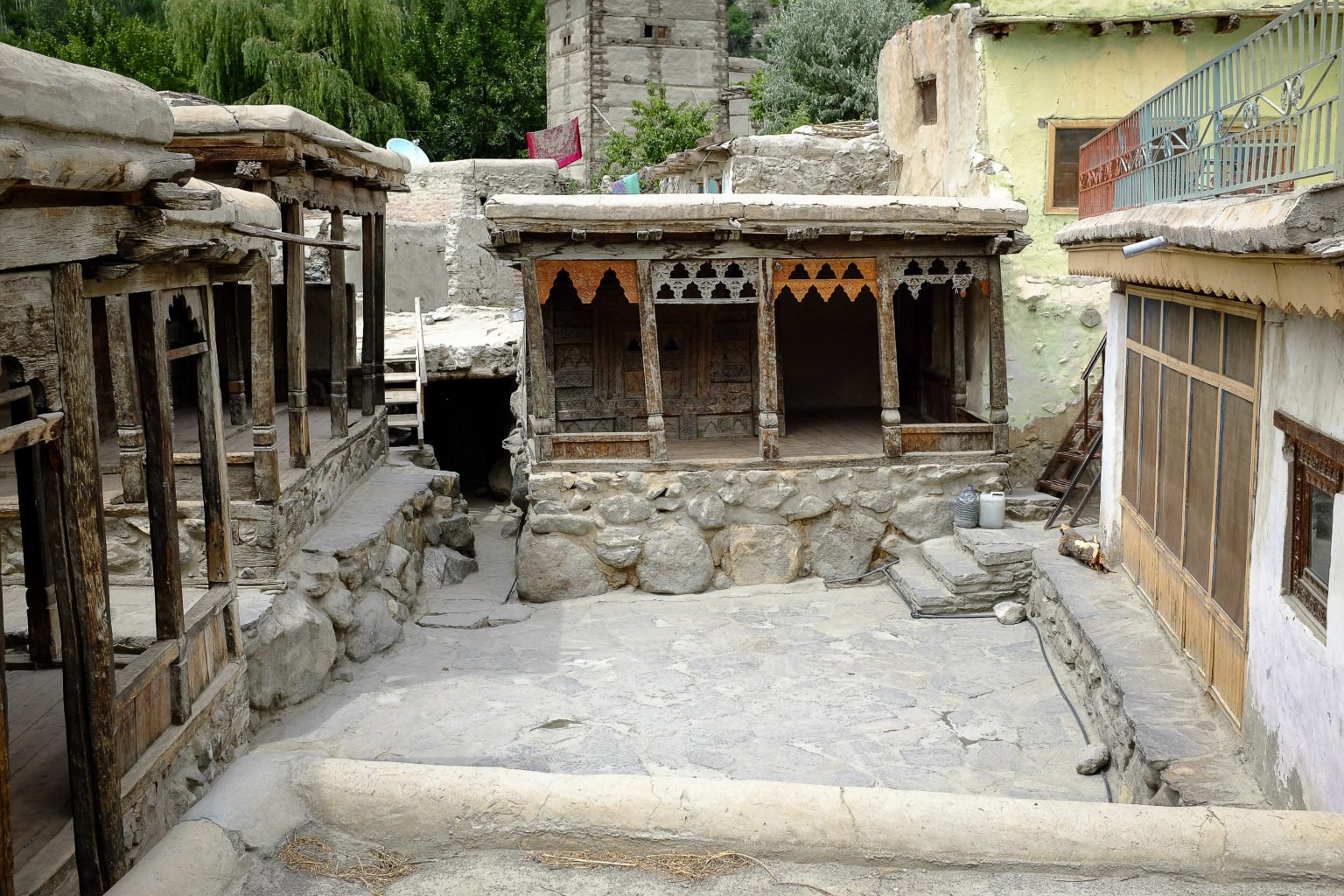
Ganish Historical Settlement is one of the oldest and best-preserved villages in Hunza Valley, offering visitors an authentic glimpse into the region’s ancient community life. With centuries-old houses, wooden mosques, watchtowers, and cobbled lanes, Ganish is a living museum that narrates the story of Hunza’s earliest settlers.
Location
Historical Background
Ganish is believed to be over 1,000 years old, making it the oldest continuously inhabited settlement in Hunza Valley. Historically, it served as the first major stop for traders and travellers entering Hunza from the south via ancient branches of the Silk Route.
The settlement features traditional Burushaski architecture, including:
- Ancient wooden mosques
- Watchtowers built for defence
- A village meeting place (Jamat Khana)
- Narrow stone-paved streets designed for security and community living
Restored with support from the Aga Khan Cultural Service Pakistan (AKCSP), Ganish today stands as a successful example of community-based heritage conservation.
Historical Importance of Ganish Settlement
Ganish holds exceptional historical significance as the earliest known organized settlement in Hunza Valley. Its strategic position along ancient trade and migration routes made it a gateway for travelers entering Hunza from the south. Over centuries, Ganish developed a self-sustaining social system, reflected in its compact architecture, shared community spaces, and defensive watchtowers.
The settlement preserves rare examples of indigenous Burushaski architecture, including centuries-old wooden mosques representing early Islamic influence in the region. Its spatial planning—narrow lanes, communal courtyards, and elevated viewpoints—demonstrates advanced understanding of defense, climate adaptation, and community governance, long before modern urban planning concepts.
The successful conservation of Ganish by the local community, with support from cultural heritage organizations, has made it a model for heritage preservation in mountainous regions.
Value for Tourists and Researchers
For Tourists
- Offers an authentic cultural experience beyond conventional sightseeing
- Allows visitors to explore a living village, not a reconstructed site
- Provides deeper insight into traditional Hunza life, social harmony, and sustainability
- Ideal for cultural tourism, slow travel, and educational tours
- Enhances visits to nearby forts by adding historical context to Hunza’s evolution
For Researchers & Scholars
- A valuable site for studies in anthropology, archaeology, architecture, and sociology
- Offers insight into traditional governance systems and communal decision-making
- Demonstrates effective community-led conservation practices
- Important for research on Silk Route–era settlements and regional cultural exchange
- Provides living evidence of climate-responsive architecture in high-altitude environments
Why Ganish Matters Today
Ganish Historical Settlement is more than a heritage attraction—it is a repository of collective memory, indigenous knowledge, and cultural continuity. For visitors, it enriches the Hunza experience with authenticity and depth. For researchers, it offers a rare, well-preserved case study of sustainable settlement patterns that remain relevant today.
How to Access Ganish Settlement
- By Road:Ganish is directly accessible from the Karakoram Highway and is:
- About 5 km from Karimabad
- Around 90 km from Gilgit (approximately 2–2.5 hours’ drive)
- On Foot:From Aliabad Bazaar, it is a short walk to the historical core of the village.
Things to Do & Experiences
- Guided Heritage Walks:Explore centuries-old houses, mosques, and watchtowers with knowledgeable local guides.
- Cultural Interaction:Meet residents and learn about traditional Hunza customs and social systems.
- Photography:Capture intricate wood carvings, stone architecture, and scenic mountain backdrops.
- Community Spaces:Visit historic communal areas once used for collective decision-making.
Nearby Attractions
- Altit Fort – 10 minutes’ drive
- Baltit Fort – 15 minutes’ drive
- Karimabad Bazaar – Local handicrafts and food
- Rakaposhi View Point – Iconic mountain scenery
- Duikar (Eagle’s Nest) – Famous sunrise and sunset views
Accommodation Options Nearby
A variety of accommodation options are available within a short drive:
Luxury & Boutique
- Serena Altit Fort Residence
- Hunza Darbar Hotel
Mid-Range
- Hunza Embassy Hotel
- Tourist Cottage Hunza
Budget & Guesthouses
- Old Hunza Inn
- Local homestays in Ganish and Aliabad
Best Time to Visit
- April to October is ideal for sightseeing
- Spring features blossoms, summer offers pleasant weather, and autumn showcases vibrant fall colors
- Winter visits are possible but quieter and colder
Visitor Tips
- Hire a local guide to fully appreciate the site’s history
- Dress modestly, as Ganish is a living community
- Ask permission before photographing residents
- Wear comfortable walking shoes for stone pathways
- Respect local customs and community spaces
Why Visit Ganish Historical Settlement?
Ganish is not just a historical site—it is a living example of Hunza’s ancient social structure, architectural wisdom, and cultural resilience. For travelers seeking authenticity, history, and meaningful cultural encounters, Ganish Historical Settlement is a must-visit destination in Hunza Valley.